Alice in Wonderland is an 1865 English children's novel by Lewis Carroll. A young girl named Alice falls through a rabbit hole into a fantasy world of anthropomorphic creatures. It is seen as a prime example of the literary nonsense genre. Its play with logic gives the story lasting popularity with adults as well as children.
-
Chapter I
Down the Rabbit-Hole
Read more -
Chapter II
The Pool of Tears
Read more -
Chapter III
A Caucus-Race and a Long Tale
Read more -
Chapter IV
The Rabbit Sends in a Little Bill
Read more -
Chapter V
Advice from a Caterpillar
Read more -
Chapter VI
Pig and Pepper
Read more -
Chapter VII
A Mad Tea-Party
Read more -
Chapter VIII
The Queen’s Croquet-Ground
Read more -
Chapter IX
The Mock Turtle’s Story
Read more -
Chapter X
The Lobster Quadrille
Read more -
Chapter XI
Who Stole the Tarts?
Read more -
Chapter XII
Alice’s Evidence
Read more
Foreword
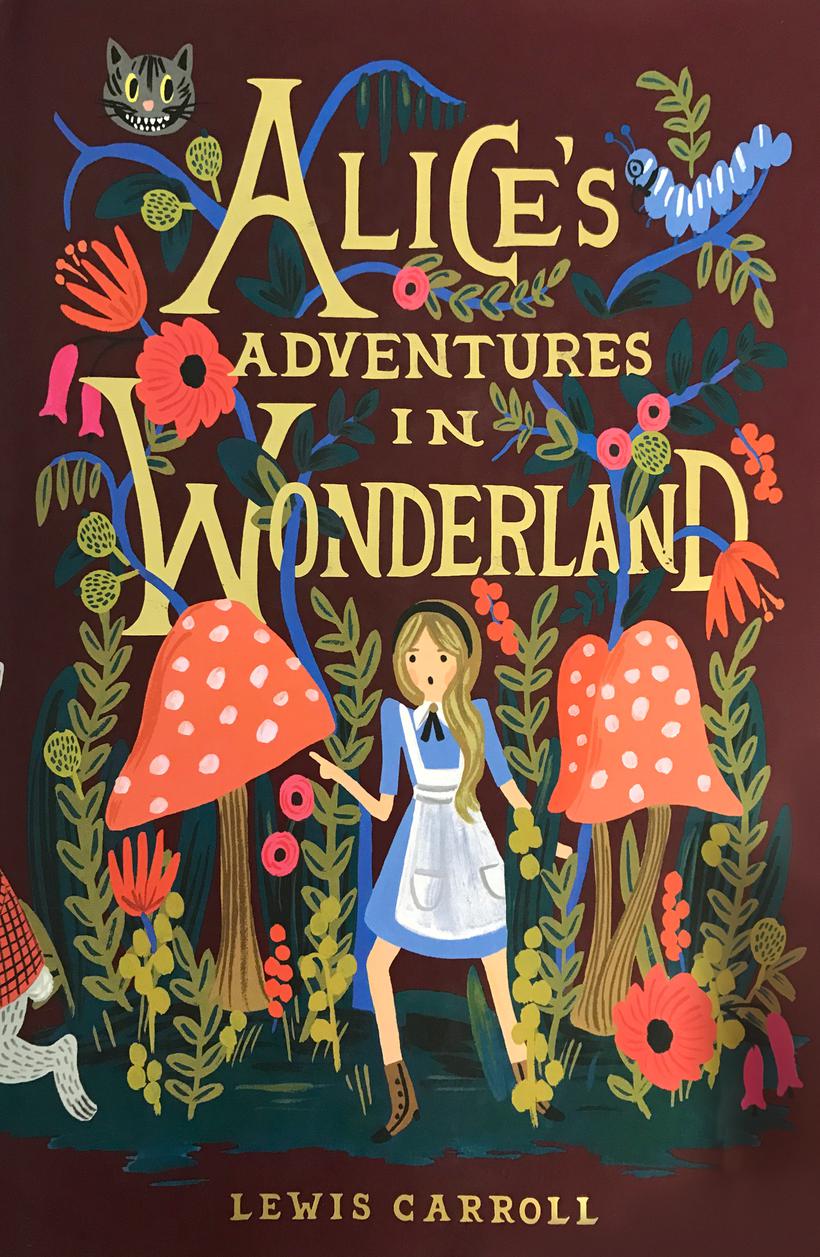
One of the best-known works of Victorian English fiction, its narrative, structure, characters and imagery have had huge influence on popular culture and literature, especially in the fantasy genre. The book has never been out of print and has been translated into at least 97 languages. Its legacy covers adaptations for stage, screen, radio, art, ballet, theme parks, board games and video games.
Carroll published a sequel in 1871 entitled Through the Looking-Glass and a shortened version for young children, The Nursery "Alice", in 1890.
The Author
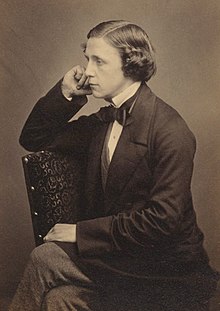
Charles Lutwidge Dodgson, better known by his pen name Lewis Carroll, was an English writer of children's fiction, notably Alice's Adventures in Wonderland and its sequel Through the Looking-Glass. He was noted for his facility with word play, logic, and fantasy.
The poems "Jabberwocky" and The Hunting of the Snark are classified in the genre of literary nonsense. He was also a mathematician, photographer, inventor, and Anglican deacon.